
There are many definitions of hope. Some describe it as a feeling of expectation or desire for something to happen. Others see it as trust, or even as clinging to a mere possibility when certainty is nowhere in sight. Often, hope isn’t rooted in what we want for ourselves alone, but in what we want for others and for the greater good, for something better than what currently is.
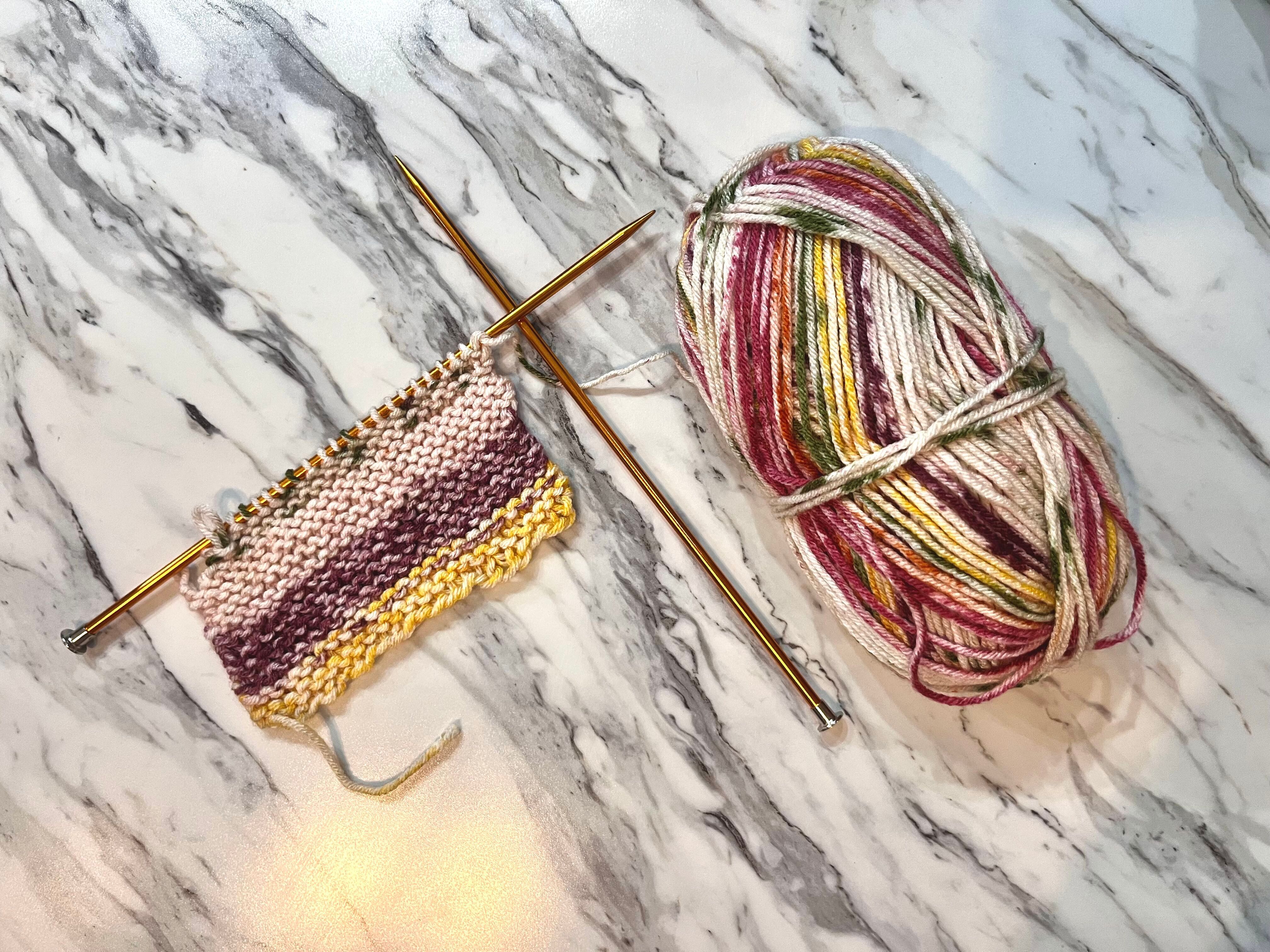
I think hope is a lot like any good art project. There isn’t always a clear path or a defined destination. Any meaningful piece comes with a journey; an artistic process where creativity, doubt, and intention are poured into the work. And, inevitably, mistakes appear. When they do, the question arises: do we scrap the project and start over, or do we keep going?
I’ve almost always chosen to push through. Instead of erasing the mistake, I try to look at the work through a different lens, one that includes it. What does the mistake add? How does it change the piece? Does it make it more interesting, more honest, more human? And if there can be one mistake, why not more? Mistakes can be both good and bad, but either way, they become pavement on the road of the journey.
“Trust the process” is one of my favorite phrases. It gives me permission to loosen my grip on perfectionism and rethink what I consider “quality” in my work. Art, after all, is subjective. If I choose to view my work only through its flaws instead of noticing where it holds beauty, care, and intention, what does that make it? And more importantly, how often do we do the same thing to ourselves?
Hope exists even without clarity. We don’t need to know exactly where we’re going to keep moving forward. Sometimes hope is simply the willingness to continue, to take the next step without a map, trusting that the path will reveal itself in time.
Hope also grows through mistakes and imperfection. What initially feels like failure can become part of the meaning, adding depth to the journey rather than taking away from it. The long road of life is rarely smooth or pristine. It may be straight and narrow, or long and winding, marked by bumps, faded lines, and fallen trees along the way. Still, it is all part of the same road.
And finally, hope asks for grace toward ourselves. Trusting the process—of art, of growth, of being human—allows us to meet ourselves with compassion. It invites us to accept that being alive means experiencing ebbs and flows, moments of clarity and moments of confusion.
The roads we take will not always be filled with scenic views and road trip tunes. Yet we can trust that each stretch is leading us somewhere—to our next destination, and the ones after that, until our final. Hope is found in believing that this journey matters, that the process is working on us even when we don’t fully understand it, and that we are capable of trusting both fate and ourselves along the way.